The first time a client described it to me, it wasn't the ship she talked about. It was a whale surfacing beside the Zodiac, close enough to hear it breathe — and a naturalist beside her who could tell her exactly what she was looking at. That's expedition cruising at its best: not a smaller version of a regular cruise, but a completely different kind of journey, shaped by weather, wildlife, and access.
Done well, you don't give up comfort to get it. You get a well-run ship, thoughtful service, and days that can change on an hour's notice because nature offered something better than the plan. My job is matching you to the right version of that — the right ship, season, and cabin for how you actually like to travel.
What Makes an Expedition Cruise Different
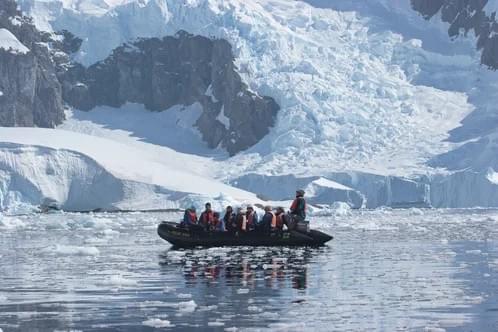
An expedition ship goes where the big ships can't: Antarctica, the Arctic, the Galápagos, Alaska, Australia's Kimberley, the Amazon, and remote corners of Indonesia and the South Pacific. There's often no port, no pier, sometimes no settlement at all — the destination sets the pace.
Instead of a theater and a casino, you get Zodiacs, kayaks, and an expedition team — naturalists, marine biologists, historians, geologists, photographers — who turn a landing into an education. And the itinerary is intentionally flexible. If the captain spots orcas, you stop. If conditions open an unscheduled landing, you take it. That flexibility is the whole point, so go in expecting the plan to bend. Travelers who need a rigid timetable are the ones who come home frustrated.
Start With Destination and Season — In That Order
This is where I see the most mistakes. Season decides what you'll actually see.
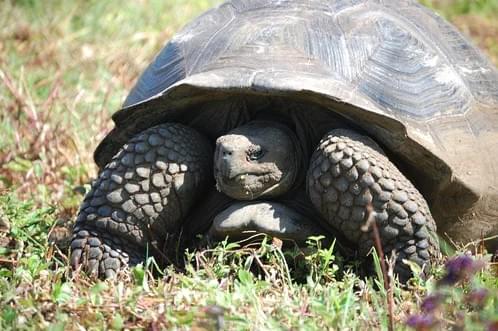
Antarctica is a November-to-March proposition, with different months favoring different wildlife and light. The Arctic runs roughly June through September — that's polar bear season in places like Svalbard. The Galápagos is genuinely year-round, but sea conditions and wildlife shift by month. Alaska is May through September, and the Kimberley has a narrow window dictated by tides and weather.
So tell me the sight, not just the place. Penguin chicks? Long polar daylight? Polar bears on sea ice? (Northern Lights, for the record, are a dark-sky, winter pursuit — a different trip, planned differently.) Once I know what matters most, the route and the month usually choose themselves.
Match the Ship to Your Travel Style
Expedition ships are not interchangeable. Some carry fewer than 100 guests — intimate, more landings, narrower channels. Others carry 200-plus, with more stability in rough water, a spa, and broader dining. Neither is automatically better.
What I ask clients is simpler: after six hours in a Zodiac and on shore, what do you want to come back to? Some want a floating boutique hotel. Others want functional, friendly, and early to bed for a 6 a.m. landing. Be honest about that, and then look hard at the expedition team — in my experience, the quality of the naturalists and guides is the single biggest difference between a good voyage and an extraordinary one.
Activity level matters, too. Most good voyages offer choices each day — a gentle Zodiac cruise or a shoreline walk, versus kayaking, snorkeling, or the polar plunge. That range is especially valuable when traveling companions want different paces. A well-matched ship lets both of you have your day without compromise.
The Details That Actually Shape the Trip
Luxury here isn't opulence. It's being warm, rested, well-fed, and in the right place when something remarkable happens — without logistics getting in the way.
Cabin choice is about more than square footage. Look at location, view, and storage for bulky gear. A balcony is private front-row access to the landscape. If motion bothers you, midship and lower is steadier — and talk to your physician about prevention before you sail, not in the Drake Passage.
Arrive early. Gateway flights to remote embarkation points get delayed, and ships don't wait the way hotels do. I build in a day or two before, and breathing room after disembarkation before an international connection. Rested beats rushed, every time.
Read the inclusions line by line. Fares vary enormously — excursions, gratuities, charter flights, kayaking, even boots and parkas are included on some lines and extra on others. The same goes for cancellation terms, onboard medical facilities, and insurance coverage. In remote regions, those aren't fine-print questions; they're the plan.
Questions I Ask Before Anyone Reserves
How many guests go ashore per landing, and how many Zodiacs does the ship run? What's the expedition-staff-to-guest ratio? What happens — concretely — when weather cancels a landing? How are dietary needs handled, and what are the terms for solo travelers?
The answers tell you more about a voyage than any brochure photo. An expedition cruise is a significant investment, and it deserves the same scrutiny I'd give any luxury journey — which is exactly what an experienced travel advisor is for: knowing which ships have the strongest teams, which routes deliver the wildlife you're hoping for, and how to sequence flights, transfers, and permits so the trip feels seamless even when the weather rewrites the day.
If Antarctica, the Arctic, or the Galápagos is on your horizon, start with a conversation about what you want to see and how adventurous you want to be. We'll pick the ship and season to fit — not the other way around. Become a client and we'll design it together.